How Miller and Marian is Building a Pan-African Beauty Brand Through AfCFTA
The African Continental Free Trade Area (AfCFTA) is more than a trade agreement. It is a blueprint for building stronger, more connected African businesses that can compete across borders and eventually on the global stage. For the beauty and personal care industry, AfCFTA opens the door to something even bigger: the rise of true Pan-African beauty brands.
A Pan-African beauty brand is one that is designed in Africa, manufactured in Africa, and sold across Africa. It draws from the continent’s rich natural resources, diverse cultures, and deep traditions of haircare, skincare and wellness to create products that resonate with African consumers first, while also appealing to global markets.
Africa is uniquely positioned for this transformation. The continent is home to abundant natural ingredients such as shea butter, cocoa butter, coconut oil, baobab oil, and a wide range of botanical extracts. These ingredients have been used for centuries in traditional beauty practices and are now gaining global recognition for their effectiveness and sustainability.
However, the real opportunity lies not just in raw materials, but in building strong African brands that can move finished products across multiple countries with ease. This is where AfCFTA becomes a game-changer.
AFCFTA reduces tariffs and improving trade efficiency across African countries allowing beauty brands to scale beyond their home markets. Miller and Marian in Ghana, for example, can more easily reach customers in Nigeria, Kenya, Namibia, Côte d’Ivoire, and beyond. This creates a unified market of over a billion consumers. This represents a major strategic opportunity and positions us to expand across Africa while maintaining strong roots in local sourcing and production.
Pan-African beauty brands succeed when they combine three key elements: quality, identity, and distribution. Quality ensures products meet international standards. Identity ensures they reflect African values, ingredients, and consumer needs. Distribution ensures they can reach customers efficiently across borders.
AfCFTA strengthens all three.
First, it encourages higher production standards by exposing brands to more competitive regional markets. Second, it allows brands to tell authentic African stories that resonate with consumers across different countries. Third, it makes it easier to establish regional supply chains, partnerships, and retail networks.
One of the most powerful aspects of Pan-African beauty branding is shared identity. Despite cultural differences, African consumers increasingly embrace products that are locally made and culturally relevant. This shift is driven by growing awareness of the importance of self-reliance, economic empowerment, and sustainability.
In this context, shea butter plays a central role. As one of Africa’s most iconic natural ingredients, shea butter connects West African producers with consumers across the continent and beyond. When transformed into premium cosmetics, it becomes a symbol of African excellence and value addition.
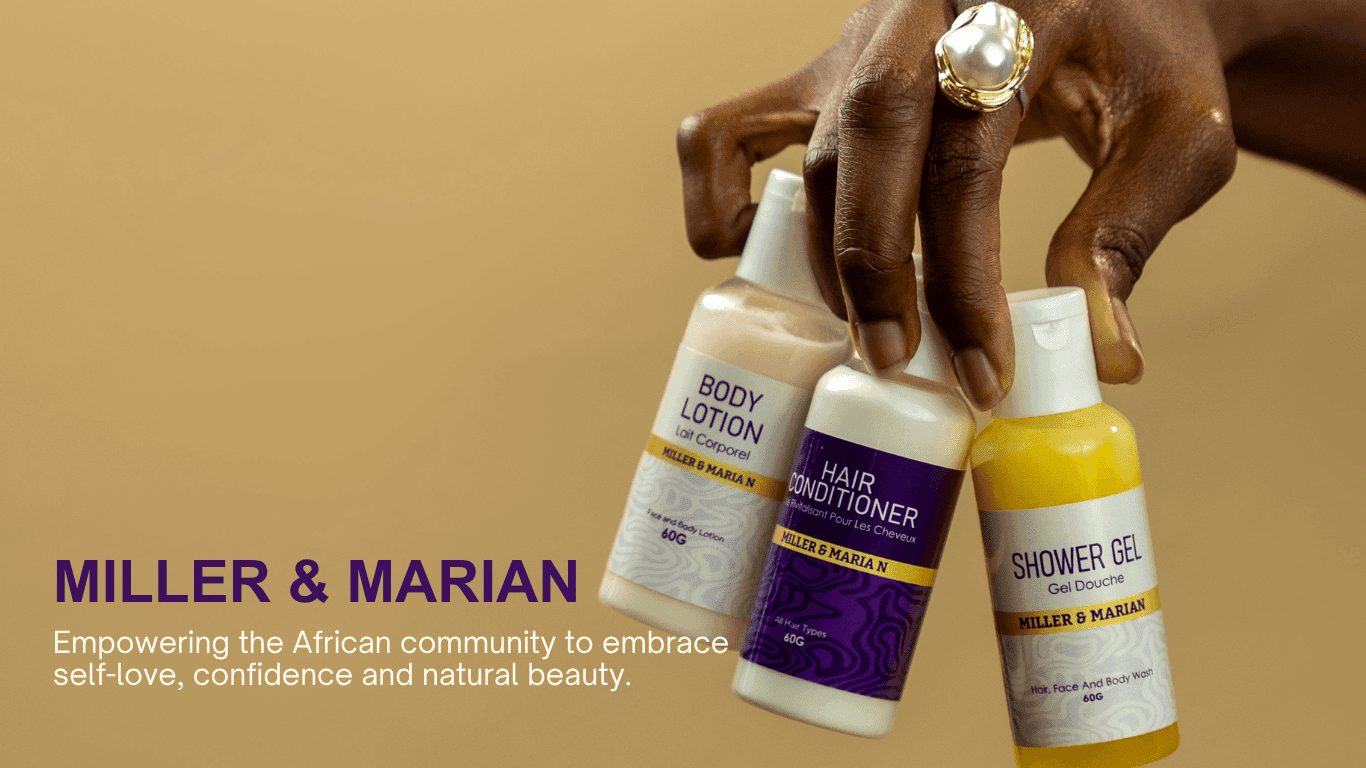
Miller & Marian continues to champion this transformation, developing shea butter-based skincare and haircare products that meet the needs of modern consumers while preserving the integrity of African raw materials. Through manufacturing in Ghana, the company contributes to job creation, skills development, and the strengthening of local supply chains.
Another important factor in building Pan-African beauty brands is innovation. Successful brands are those that combine traditional knowledge with modern science, packaging design, marketing, and digital commerce. This blend allows African companies to compete effectively in both regional and global markets.
Digital platforms are also reshaping how African beauty brands grow. Social media, e-commerce, and digital storytelling allow brands to connect directly with consumers across multiple countries. This reduces dependency on traditional distribution systems and creates new opportunities for rapid expansion.
The future of African beauty is increasingly interconnected. Brands that once operated in isolated national markets are now becoming part of a larger continental ecosystem. AfCFTA provides the structure needed to support this evolution.
As Pan-African beauty brands grow, they will not only serve consumers but also strengthen Africa’s manufacturing base, increase employment opportunities, and promote sustainable use of natural resources.
Miller & Marian stands as part of this emerging movement, demonstrating how Ghanaian shea butter can be transformed into premium cosmetics that reflect African excellence and can compete across diverse markets. The vision is clear: a united African beauty industry built on quality, innovation, and shared opportunity. AfCFTA is not just enabling trade; it is enabling the creation of brands that represent the best of Africa to Africa and to the world.