Why East African Beauty Retailers Are Strengthening Their Shelves with African-Manufactured Shea Butter Cosmetics
Across East Africa, the beauty and personal care industry is expanding rapidly. From Nairobi’s premium malls to Dar es Salaam’s fast-growing retail corridors, consumers are demanding skincare and haircare products that are natural, effective, and suited to African climates.
This shift is pushing beauty retailers, distributors, and mall operators to rethink their sourcing strategies.
East Africa’s Climate Demands Deep Moisture and Protection
East Africa’s climate varies from coastal humidity to high-altitude dryness. In cities like:
- Nairobi
- Dar es Salaam
- Kigali
- Kampala
consumers experience environmental conditions that require:
- Intensive skin hydration
- Barrier protection against sun and wind
- Hair nourishment for natural and textured styles
- Products formulated for melanin-rich skin
Shea butter remains one of the most effective natural ingredients for addressing these needs.
Retailers that stock shea-based products formulated specifically for African skin and hair types are responding directly to climate realities not just trends.
The Rise of Conscious Beauty in East Africa
East African consumers are increasingly attentive to:
- Ingredient transparency
- Natural formulations
- Ethical sourcing
- African-owned brands
This shift aligns naturally with manufacturers that:
- Source shea butter within Africa
- Produce finished cosmetic products locally
- Maintain clear quality standards
- Operate within continental trade systems
Retailers that align early with this movement strengthen customer trust and long-term brand loyalty.
Supply Chain Reliability in a Changing Global Market
Global supply chains have become unpredictable. Shipping delays, currency volatility, and import restrictions can affect inventory consistency. Under AfCFTA, intra-African trade is designed to reduce tariffs and simplify cross-border logistics across the continent.
For East African distributors and mall retailers, sourcing from an African manufacturer that operates within this framework offers:
- Reduced dependency on distant overseas suppliers
- Greater regional trade stability
- More predictable restocking cycles
- Competitive wholesale structures
This creates operational resilience, a key priority for growing retail chains.
Manufacturing Relevance: Formulated for African Skin and Hair
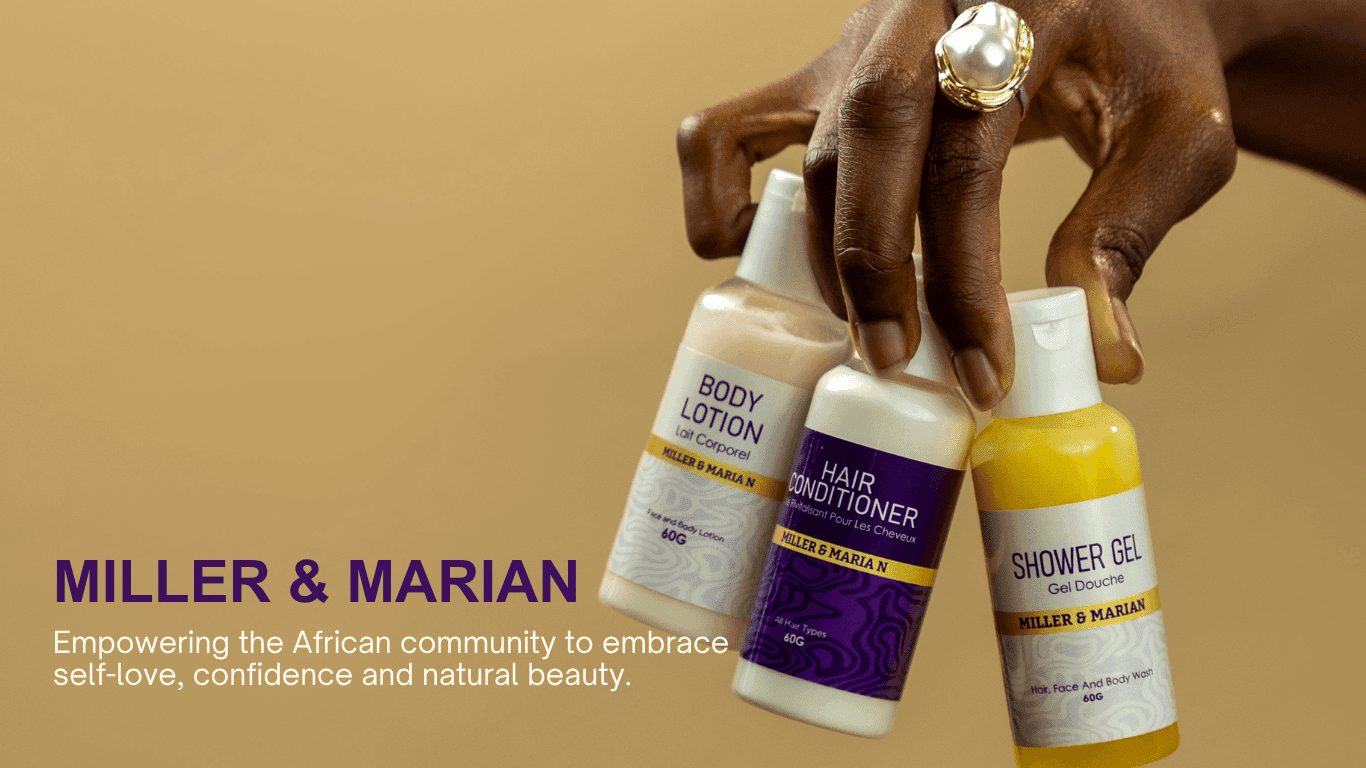
Miller & Marian Ltd, a Ghana-based shea butter cosmetics manufacturer, represents a value-added African production model aligned with continental expansion.
The Brand:
- Sources shea butter locally in West Africa
- Manufactures finished cosmetic products in Ghana
- Applies science-informed formulation standards
- Expands distribution through AfCFTA trade integration
For East African retailers, this means access to products that are:
- Climate-relevant
- Culturally aligned
- Manufacturing-consistent
- Regionally trade-ready
Aligning with East Africa’s Growing Retail Ecosystem
East Africa’s expanding mall infrastructure and independent beauty retailers are increasingly prioritizing:
- Premium natural product categories
- Regionally sourced brands
- Manufacturers capable of scaling across borders
- Suppliers aligned with continental economic integration
As AfCFTA strengthens trade corridors between West and East Africa, collaboration between structured manufacturers and East African retailers becomes both practical and strategic.
A Strategic Retail Decision
The East African beauty market is maturing.
Consumers are informed.
Retailers are scaling.
Trade policies are integrating.
Supply chains are regionalizing.
For many East African beauty retailers, aligning with value-added African manufacturers is not a promotional choice.
It is a logical next step in building a resilient, regionally integrated, and consumer-aligned beauty business.