The History of Shea Butter and Its Cultural Heritage in Ghana
Introduction: A Treasure of African Heritage
For centuries, shea butter has been one of Africa’s most treasured natural resources. Extracted from the nuts of the shea tree (Vitellaria paradoxa), this rich, creamy butter has been used across West Africa for skincare, hair care, food, medicine, and cultural rituals. Today, it is also one of the most sought-after natural ingredients in global beauty products.
But long before it became a global cosmetic ingredient, shea butter was deeply embedded in African culture and tradition especially in Ghana. From the northern savannas where the shea tree grows to modern skin and haircare companies honoring these traditions, the story of shea butter is also a story of heritage, community, and sustainability.
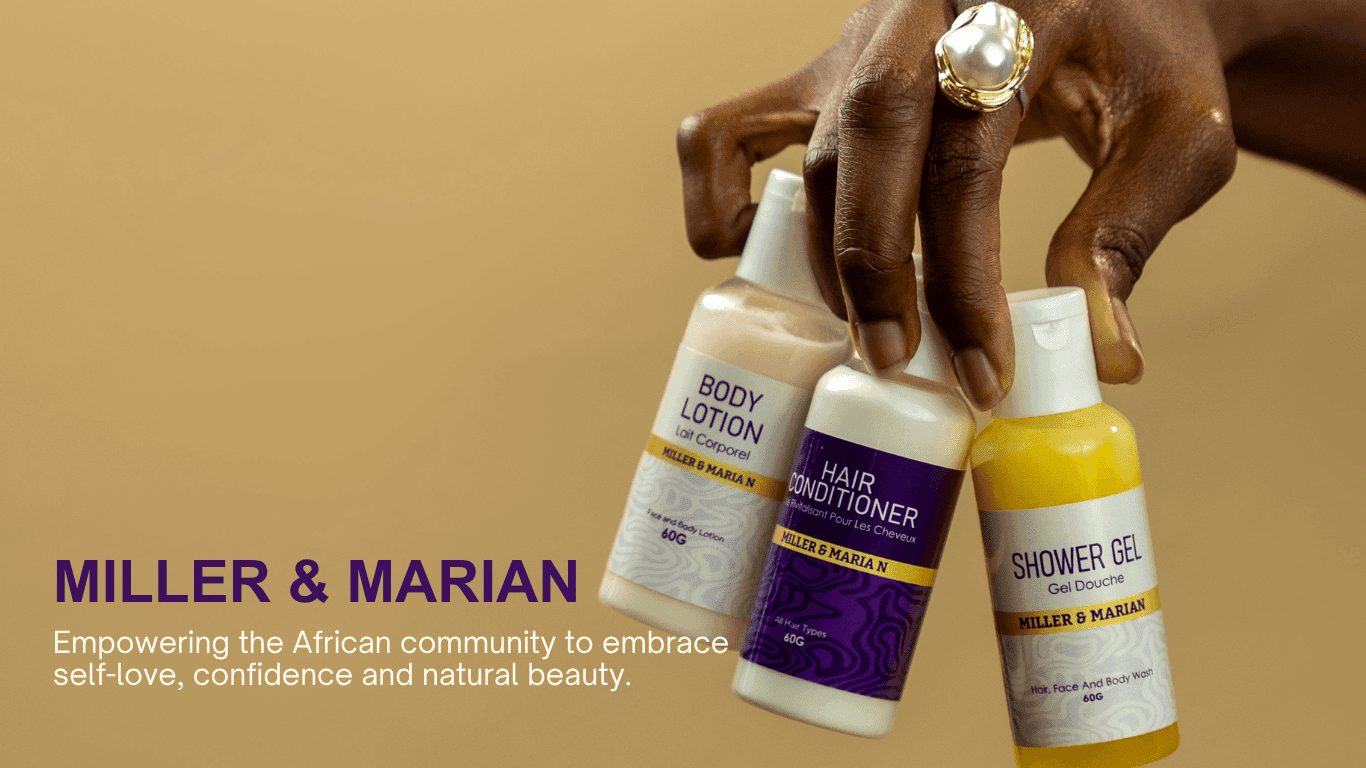
Companies such as Miller and Marian are now playing an important role in preserving this legacy while sharing African beauty traditions with the world.
The Ancient Origins of Shea Butter
A Natural Resource Used for Centuries
The shea tree grows naturally in the savanna belt of West Africa and can live for hundreds of years. Its fruit contains a nut whose kernel produces the rich fat known as shea butter.
Evidence suggests that shea butter production dates back at least to the 14th century, with archaeological findings of shea processing in medieval West African communities.
Historically, the butter served many purposes across African societies:
- Skin protection from the harsh sun and dry winds
- Hair nourishment and scalp care
- Cooking oil and food ingredient
- Medicinal balm for wounds and skin conditions
Shea butter was also traded along historic African trade routes and was used in powerful empires such as Mali and Songhai. Over time, its reputation for healing and moisturizing properties spread beyond Africa, eventually becoming a key ingredient in modern cosmetics.
The History of Shea Butter in Ghana
A Cultural and Economic Pillar
In Ghana, the shea tree thrives in the Northern, Upper East, and Upper West regions, where it grows naturally in the savanna landscape. For generations, communities have relied on shea butter not only for beauty and health but also for cultural practices and livelihoods.
A Women-Led Tradition
One of the most remarkable aspects of Ghana’s shea industry is that it is traditionally led by women. Women gather fallen shea fruits, dry the nuts, roast them, grind them into paste, and knead the mixture to separate the butter, a process that can take many hours. This traditional craft is passed from mother to daughter, preserving indigenous knowledge and strengthening community bonds.
Cultural and Spiritual Significance
Shea butter is deeply woven into Ghanaian traditions:
- Used to massage newborn babies for healthy skin
- Applied during naming ceremonies and weddings
- Used in traditional medicine and healing rituals
- Added to foods and cooking in northern communities
Many communities consider the shea tree sacred and discourage cutting it down, ensuring its protection for future generations.
A Major Economic Resource
Today, shea butter is one of Ghana’s most valuable agricultural products and an important source of income for thousands of households, especially in rural northern communities. The global demand for natural and organic beauty products has increased interest in Ghanaian shea butter, turning a traditional craft into a growing international industry.
Miller and Marian: Preserving African Heritage Through Shea Butter
Honoring Tradition While Innovating: While shea butter has a long history, modern African brands are helping ensure that its cultural roots are respected and preserved. Miller and Marian, a shea-based cosmetics company in Ghana, represents a new generation of African businesses connecting heritage with modern wellness.
Preserving Traditional Knowledge: Miller and Marian values the traditional wisdom behind shea butter production. By using natural ingredients and respecting traditional processing methods, the company helps keep the knowledge of African beauty practices alive.
Promoting African Natural Beauty: The brand celebrates African heritage by showcasing the natural power of shea butter in skincare and haircare products. Instead of replacing traditional ingredients with synthetic alternatives, Miller and Marian highlights the effectiveness of Africa’s indigenous resources.
Empowering Local Communities: The shea butter industry has historically supported women in northern Ghana. Companies that source ethically and support traditional production methods help sustain these communities and protect the cultural legacy of shea butter.
Bringing African Heritage to the World: As global consumers increasingly seek natural and sustainable skincare, brands like Miller and Marian play an important role in telling the authentic story behind shea butter. They show that African ingredients are not just commodities, they are part of a rich cultural heritage.
The Future of Shea Butter and African Beauty
Shea butter represents more than a beauty ingredient, it is a symbol of Africa’s cultural identity, resilience, and sustainable relationship with nature.
From ancient African villages to modern skincare brands, the journey of shea butter reflects centuries of tradition and innovation. As companies like Miller and Marian continue to share this heritage with the world, they help ensure that the story of shea butter remains rooted in its African origins.
By preserving traditional knowledge, supporting local communities, and celebrating natural beauty, the legacy of shea butter will continue to inspire future generations.