Opportunities for African Cosmetic Brands Under AfCFTA
The African Continental Free Trade Area (AfCFTA) is creating unprecedented opportunities for African businesses. For cosmetic manufacturers, beauty entrepreneurs, and personal care brands, the agreement offers a pathway to growth, market expansion, and long-term competitiveness. Africa’s beauty and personal care market continues to grow as consumers increasingly seek products that reflect their unique needs, cultures, and lifestyles. From skincare and hair care to wellness and personal grooming, demand for high-quality African-made products is rising across the continent.
AfCFTA is helping make it easier for African cosmetic brands to access these markets.
Historically, many African businesses faced challenges when attempting to expand beyond their home countries. Trade barriers, customs procedures, and fragmented markets often limited growth opportunities. AfCFTA seeks to address these challenges by promoting trade among African nations and encouraging greater economic integration. For cosmetic brands, this means access to a significantly larger customer base. Instead of focusing solely on domestic markets, businesses can explore opportunities in multiple African countries where consumers are increasingly interested in natural, sustainable, and locally produced beauty products.
One of the most promising opportunities lies in the growing demand for products made with indigenous African ingredients. Shea butter, in particular, has become one of Africa’s most valuable natural beauty resources. Renowned for its moisturizing and nourishing properties, shea butter is used in skincare, hair care, and wellness products around the world.
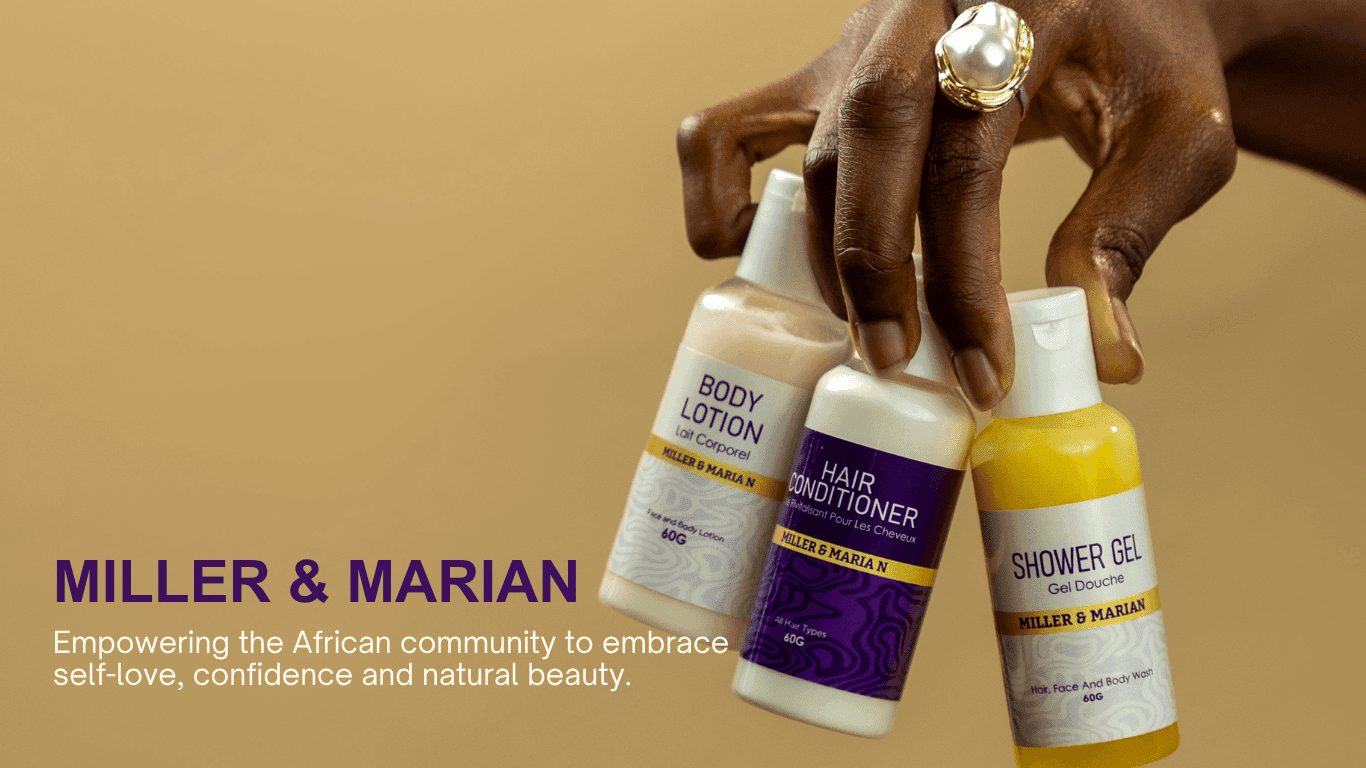
As a Ghanaian manufacturer specializing in shea butter cosmetics, Miller & Marian recognizes the tremendous potential that AfCFTA presents for value-added beauty products. Rather than exporting raw shea butter alone, the company focuses on transforming this remarkable ingredient into premium cosmetics that meet the needs of modern consumers. This approach supports industrialization while creating jobs throughout the value chain. It also ensures that more economic value remains within Africa, benefiting producers, manufacturers, distributors, retailers, and consumers alike.
AfCFTA also creates opportunities for collaboration among African businesses. Manufacturers can establish partnerships with distributors, retailers, beauty professionals, and e-commerce platforms in different countries. Such partnerships help strengthen supply chains and increase the visibility of African brands throughout the continent.
Another significant opportunity is brand development. As African consumers become more conscious of product quality, sustainability, and authenticity, businesses that invest in strong branding and product excellence can build lasting customer loyalty. Companies that emphasize quality manufacturing, ethical sourcing, and customer satisfaction will be well-positioned for growth. For Ghanaian cosmetic manufacturers, the future is particularly promising. Ghana’s reputation for producing high-quality shea butter provides a competitive advantage in regional and international markets. Brands that leverage this reputation while embracing innovation can become important contributors to Africa’s growing beauty economy.
The success of AfCFTA will depend on businesses that are prepared to seize these opportunities. African cosmetic brands have the potential to become regional leaders, create meaningful employment, and showcase the continent’s natural resources through world-class products.
Miller & Marian is committed to being part of this transformation, producing premium shea butter cosmetics that celebrate African excellence, support local communities, and contribute to the growth of intra-African trade. As AfCFTA continues to reshape the business landscape, the opportunities for African cosmetic brands have never been greater. The future belongs to businesses that combine quality, innovation, and a commitment to building strong African brands for African and global consumers.